
Introduction
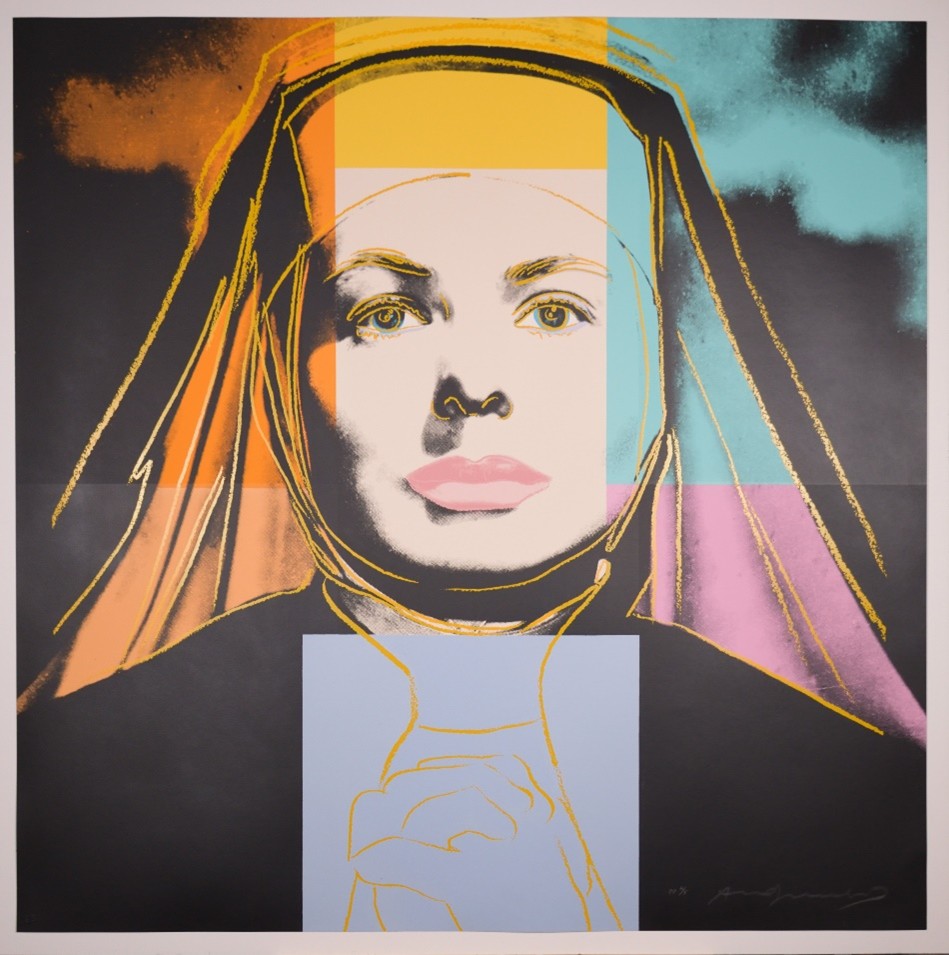
The conservation and restoration treatment of prints can breathe new life into artworks that have been worn by the passage of time. Drawing on over 30 years’ experience, our specialist conservators combine artistic sensitivity with scientific knowledge to clean, repair and preserve prints. These include engravings, etchings, lithographs, screenprints and other forms of reproductions, from a range of historical periods, artistic movements and eras.
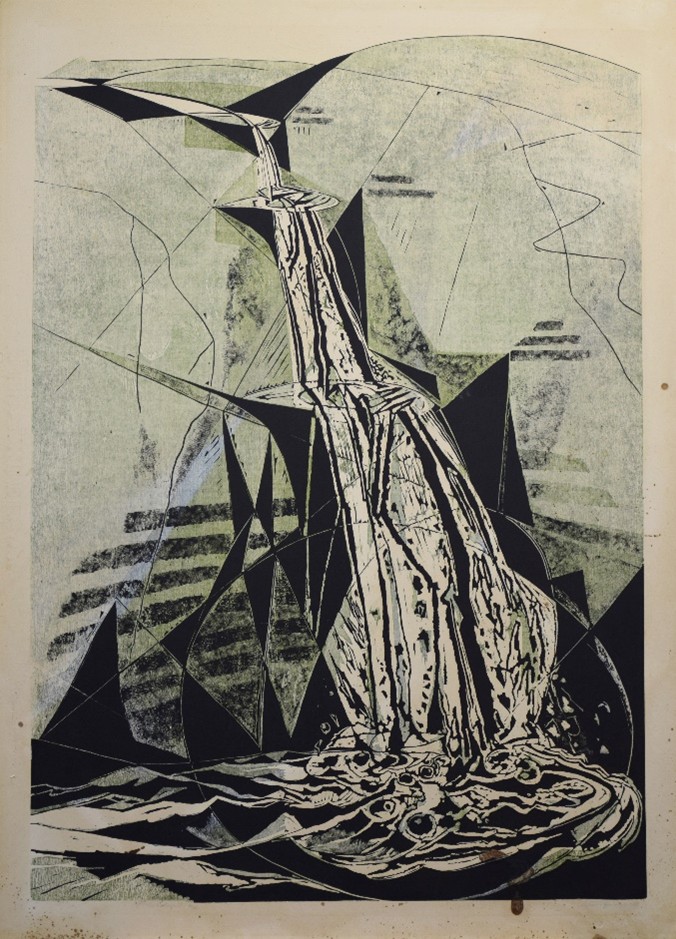
Figure 1 Gertrude Hermes, The Waterfall, 1967, before conservation
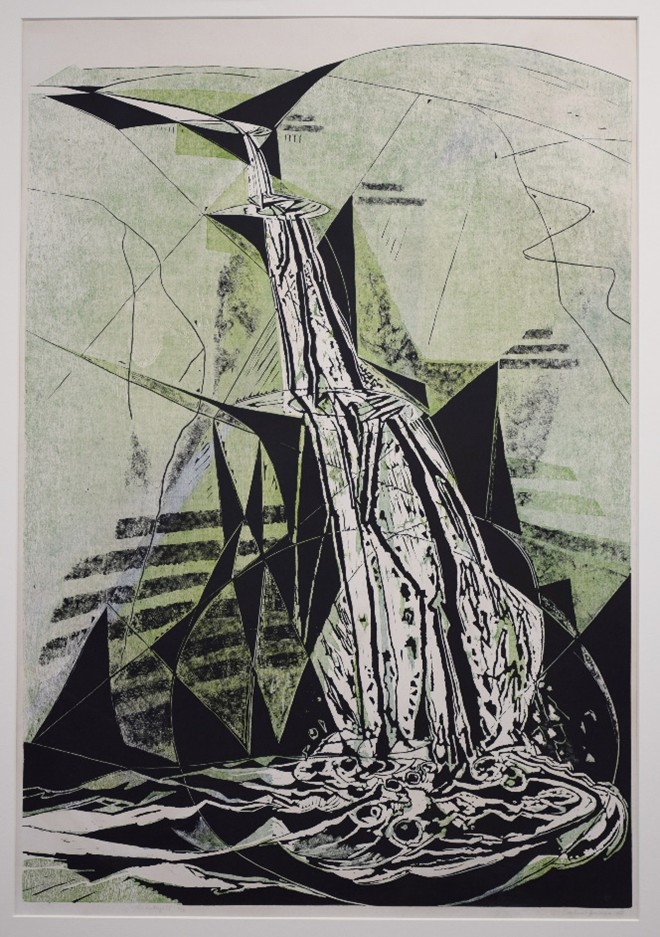
Figure 2 Gertrude Hermes, The Waterfall, after conservation
The Importance of Conservation Restoration
Prints are susceptible to a variety of deteriorations due to their paper-based medium. Factors such as light exposure, humidity, pollutants, and mishandling can lead to fading, discoloration, tears, and other forms of damage. Without timely intervention, these invaluable pieces of history could be lost forever. Conservation treatments aim to halt the progression of damage and restore the prints to a state where they can be appreciated by future generations.
The Process of Conservation and Restoration
Assessment and Documentation
The first step is a thorough assessment of the print’s condition. This involves examining the artwork under various types of lighting and magnification to identify issues such as acidity, foxing, mould, and physical damage. Condition reports, including high-resolution photographs, can be created to record the state of the print before any work begins.
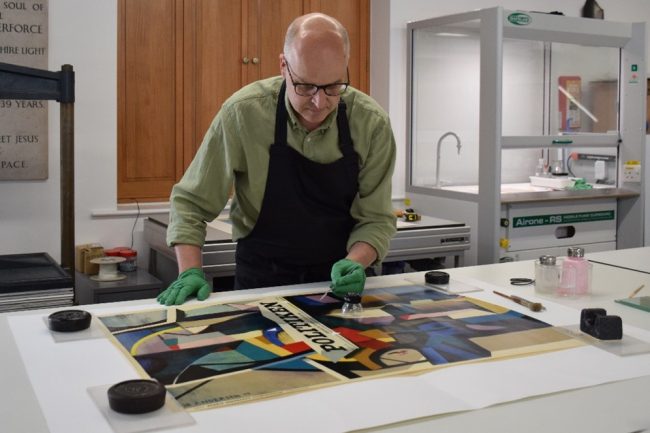
Figure 3 All media are thoroughly tested prior to any treatment decisions
Cleaning
One of the most delicate stages of restoration is cleaning. Prints can accumulate surface dirt, grime, and stains over the years. Conservators use specialized tools and techniques to gently remove these impurities without damaging the paper or ink. This might involve the use of soft brushes, HEPA vacuums, or chemical sponges. Usually aqueous treatments, or in some cases solvents, are used to address more stubborn stains, always ensuring that the process is compatible with the materials of the print. Our studio has a low-pressure, vacuum table that can be used to apply these treatments to prints with sensitive media.
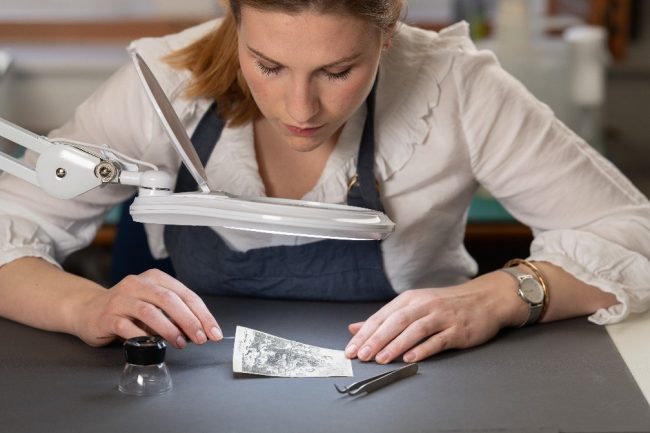
Figure 4 Careful handling of a delicate, Rembrandt etching
Repair and Stabilization
Once the print is clean, the next step is to address any physical damage. Tears and holes are carefully mended using lightweight Japanese tissue paper and wheat starch paste, which provide a strong yet reversible bond. Any missing sections might be infilled with paper that matches the original as closely as possible. For prints that have become brittle or weak, lining with a support paper may be necessary to stabilize the artwork.
Deacidification
Paper naturally contains acids that can cause it to become brittle and yellow over time. Deacidification treatments neutralize these acids, extending the lifespan of the print. This is typically done using a calcium or magnesium salt solution, which is applied to the paper and then left to dry. The treatment not only halts further degradation but also adds an alkaline buffer to protect against future acid formation.
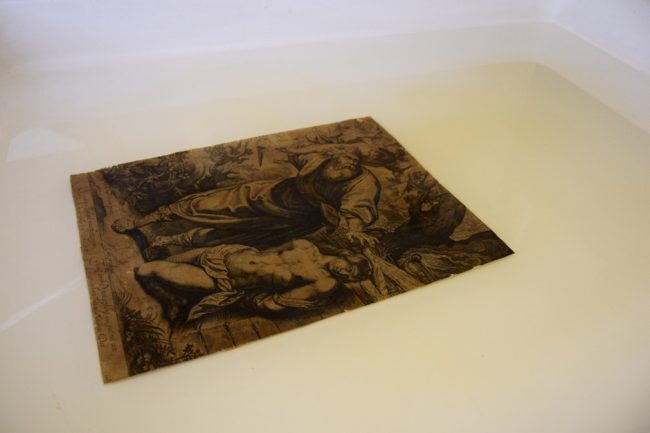
Figure 5 An engraving, after Rubens, immersed in water within a washing tray
Retouching and Inpainting
In cases where the image has been compromised, conservators may perform retouching or inpainting. This involves the careful application of pigments to areas of loss. Contemporary print media often have a sheen that needs to be matched too.
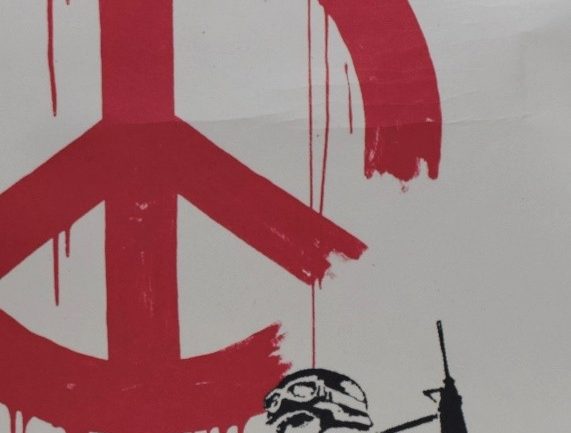
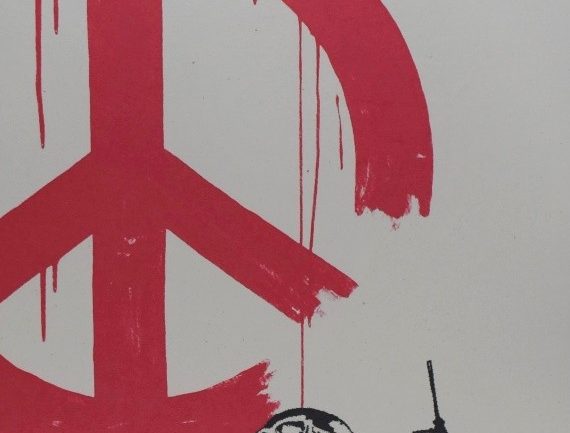
Figure 6 Before and after removal of creases from CND Soldiers, Banksy screenprint, 2005
Flattening
Humidity and water can cause papers to become cockled or distorted and creases can be caused by careless handling or rolling. Care is needed to flatten the paper without damaging embossed, printing platemarks, blind stamps and surface texture. We use a humidity chamber to gently ‘relax’ papers allowing them to be pressed between felts and blotting paper
Case Studies
Restoration of Dürer’s “Knight on Horseback and the Lansquenet” 1496-97
The treatment of this 530 years old, woodcut print required the recreation of large areas that had been lost due to old damage. Using a complete image as a reference, the missing lines were re-integrated using watercolour applied to infills of hand-made paper, which were attached using wheat starch paste. Unifying the image of the print allowed the owner to display and enjoy this exceptional and rare artwork.
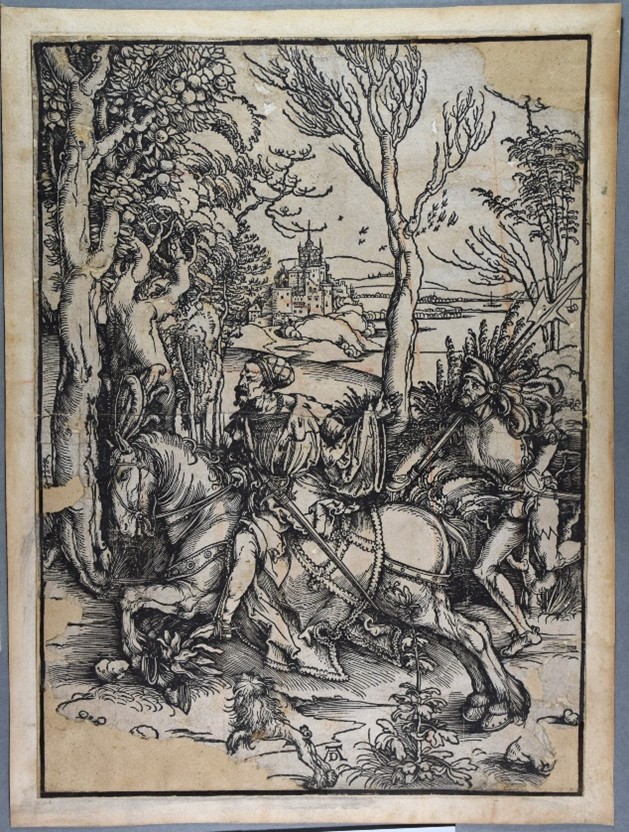
Figure 7 Albrecht Durer, Knight on Horseback and Lansquenet, before conservation
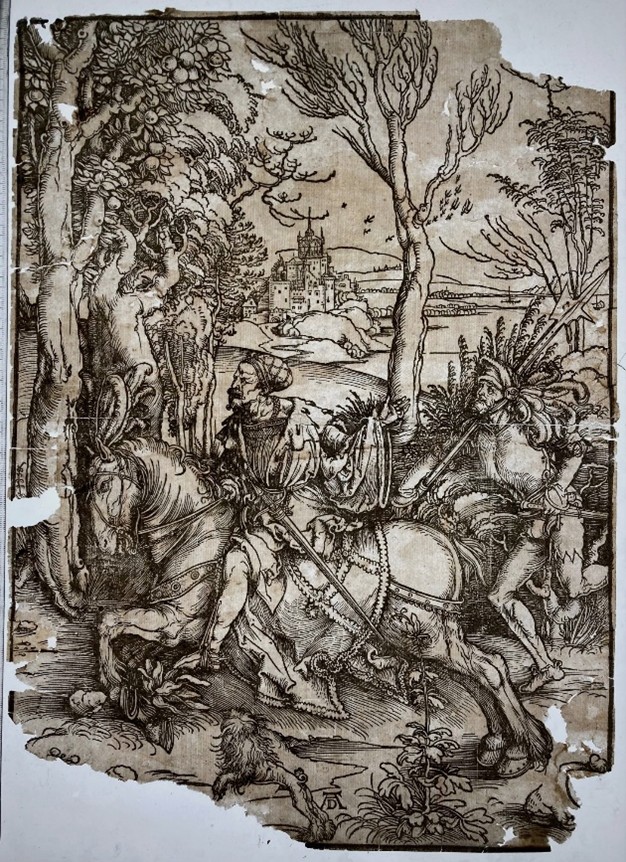
Figure 8 Albrecht Durer, Knight on Horseback and Lansquenet, during conservation
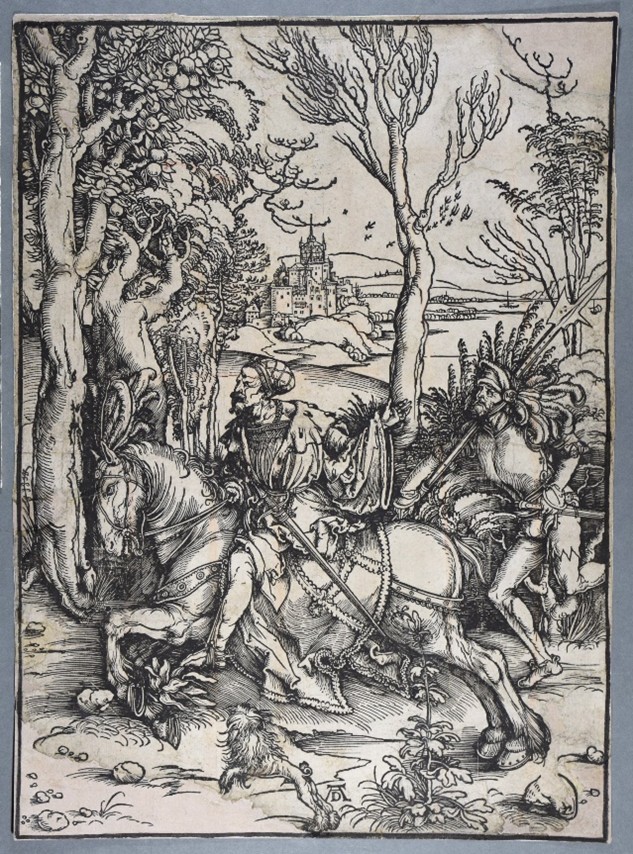
Figure 9 Albrecht Durer, Knight on Horseback and Lansquenet, after conservation
The Recovery of a Warhol Screenprint
Another remarkable restoration involved a screenprint by Andy Warhol that had been damaged by water. The paper has cockled and distorted, causing the thick ink layer to crack. The conservation treatment required meticulous testing prior to placing it into a solvent chamber. Strips of strong Japanese paper had been attached around the four edges. The solvent vapour softened the ink layer enough for the paper to be humidified using an ultrasonic water vapour prior to using the Japanese paper strips to pull the print flat under tension on a drying board. The valuable print has been considered an insurance write-off, but we were able to salvage it.
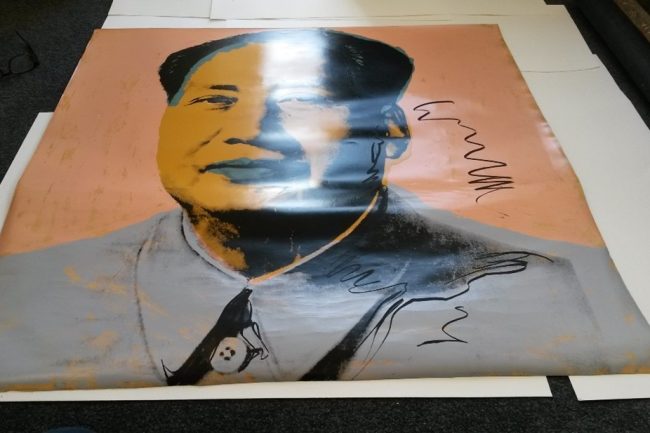
Figure 10 Andy Warhol, Chairman Mao, Pink and Blue, before conservation showing cockling of lower half of print
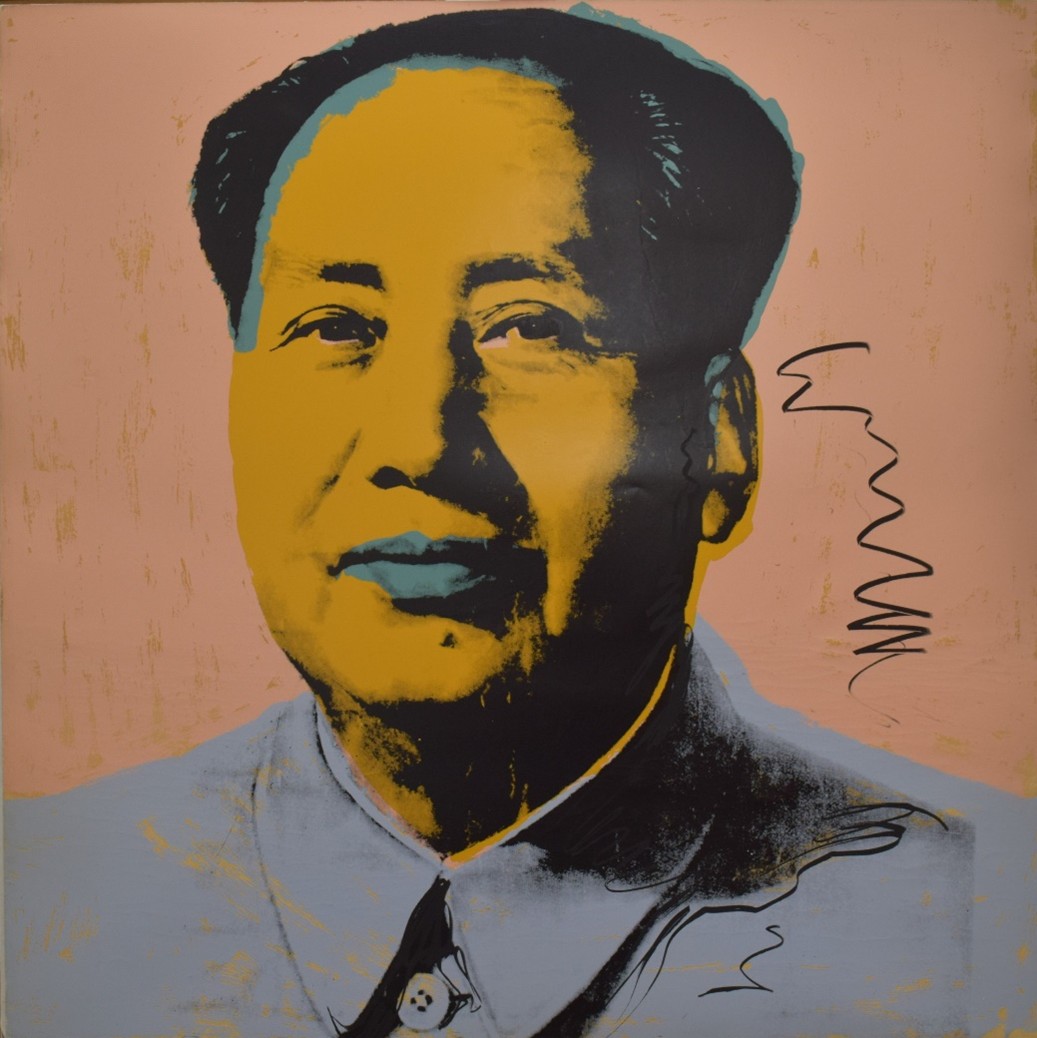
Figure 11 Andy Warhol, Chairman Mao, Pink and Blue, after conservation
Would you like to hear more?
The Artworks Conservation team can advise and undertake a wide range of treatments to safeguard and add value to historic and contemporary prints. We can help restore and give new life to prints that might otherwise have faded into obscurity, allowing collectors and museums to continue to display, study and enjoy this still thriving art form. Give us a call on 01765 676600 or email info@artworksconservation.co.uk to discuss a project.
Richard Hawkes ACR
